Pages

Wednesday, August 21, 2019

Tane Mahuta


This week for Tane Mahuta we started planting in the soil that we turned over last week. Anneleise, Keyana and I  were planting beetroot. Others were planting cauliflower and cabbage. we planted the cauliflower and cabbage in rows of three and we planed the beetroot about a hand apart. After we planted the plant we put a thin sheet on top of then and jammed sticks as pegs so the sheet doesn't fly away. we left the ends open so that the plants don't rot and die. because if the end a shut the plants well suffocate and have no air to breath.  Today was really hot day but it was still fun to do because my opinion I would rather get all dirty then doing school work. After all of that, people started to help the others because they had nothing to do. They help by picking up the wood and then put the wood at the back where all of the wood is. The period was success for me and I really enjoyed doing it and I am glad that I pick Tane Mahuta but we will be to work next Wednesday.


Image result for planting


Wednesday, August 14, 2019

Tane Mahuta

This term we had a choice of what we wanted to do during cip I chose tane Mahuta. Last week we when to the back of the school because there was a area that had soil in tyres, logs of wood and tarpaulin. First our aim was to get the soil out of the tyres and put them in a pail then Carrie them to the back of the area once the tyres were moved we had to remove the accesses soil left over by the tyres.we also moved the tarpaulins and logs to the back. 

This week we were turning the soil so it was soft and healthy because the more we loosen the soil the quicker we can plant. once it was loose we mix the original soil with fresh soil to make it better for plants.


We found so many worms in the soil. this is because worms can not survive the sun and because Worms help to increase the amount of air and water that gets into the soil 

Friday, August 9, 2019

Drama

This week on Tuesday for drama we were working on improv scenes. there was a bucket that had a lot of scenes in it that we had to make a play from. The class got to do 2 plays the first one was to people only and in my group was Mattie and I our play was an old lady was in a rest home and a person bright the lady same food and she thought it was poison. For the second play my group was Shontelle, Hope and I our play that we got was a person comes in for a doctors appointment and the nurse over dosed the patient.


Also on Tuesday we talked about emotions not all the changes of puberty are to do with our body. Some changes are in your head when your going through Puberty you get hormones and they can make you feel overly emotional.


Thursday, August 8, 2019

Hurumanu the Water Cycle


AIM: TO LOOK AT THE WATER CYCLE AND HOW CLIMATE CHANGE IS AFFECTING IT.

Definition:


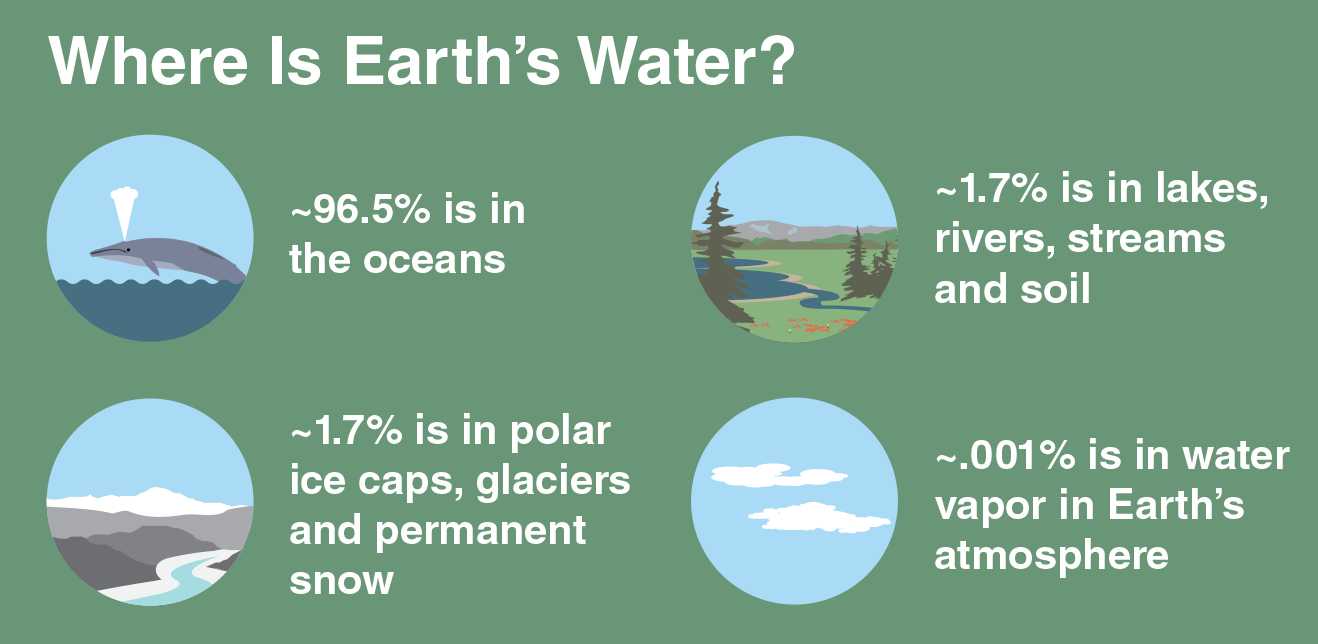
A green box with icons and white text. Text reads: Where is Earth's Water? 96.5 percent is in the oceans; 1.7 percent is in lakes, rivers, streams, and soil; 1.7 percent is in polar ice caps, glaciers, and permanent snow; 0.001 percent is in water vapor in Earth's atmosphere

Scientific words:


  • Evaporation. When water is heated by radiant energy it turns into water vapor.
  • Transpiration. Evaporation from plants.
  • Condensation. When water vapor cools, molecules join together and form clouds.
  • Precipitation. When clouds get heavy the waters falls as rain, sleet, hail, or snow.
  • Acidification: the action or process of making or becoming acidic.

We will be conducting an experiment that looks at the different ways that climate change is affecting the water cycle.
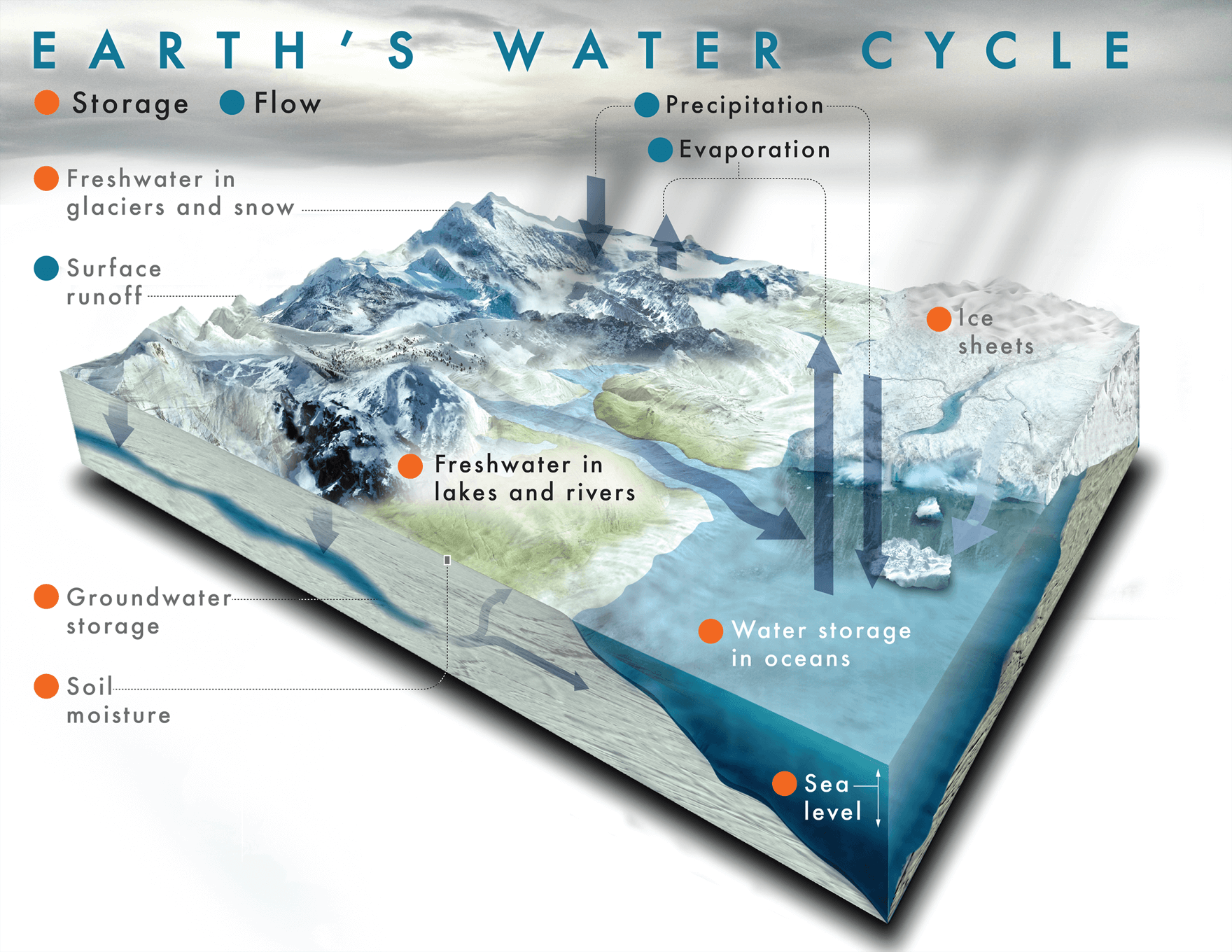
An illustration of the water cycle showing how water travels from rivers and streams to clouds to snow and back again


precipitation is the scientific definition for rain, rain is included and takes a part in storms. hurricane and storms are similar in ways like they both lead back to the ocean , hurricanes make flooding, flooding can come from the oceans, evaporation is because of sun and sun can evaporate water, evaporation can evaporate the salt from salty water to make fresh water, fresh water is clean and so is water vapour, back to evaporation, when water is evaporated it leaves condensation behind, when you breathe out your breathing out carbon dioxide and it sometimes creates moisture wich makes condensation
                  image.png


Draw a labelled diagram of the Water Cycle

SOLO Hexagons Activity

Water cycle words:

  1. Precipitation: Is a scientific word for rain cause the water from the sea is taken up to the clouds and once the clouds get too full it rains
  2. Hurricanes: They happen in warm water and travails till it dies out 
  3. Storms: storms are a threat to our earth but if there was no storms then our nations wouldn't come together and help each other
  4. Evaporation: Evaporation is when the sun  comes out and the water gets hot and starts to evaporation.
  5. Carbon Dioxide: carbon dioxide is what we breath out 
  6. Water: : water pervides us with the things we need to survive our earth thrives on water  
  7. Oceans: Our oceans is our water and without it we would die
  8. Water vapour: Water vapour is a gas form. 
  9. Freshwater: it is water that we can fine just not in sea or brackish 
  10. Flooding: It is a part of climate change because when the ice melts the water rises 


TODAY YOU WILL BE INVESTIGATING THE EFFECTS THAT CLIMATE CHANGE HAS ON THE WATER CYCLE.

  1. Using your SOLO hexagons poster write a paragraph about the different aspects of climate change.
  2. Write about the following Climate Change concepts:
You can do these by powerpoint, embedding a movie , on your blog, on a doc or any other form of presentation. It is up to you.

ACIDIFICATION: HOW DOES CLIMATE CHANGE CONTRIBUTE TO THE ACIDIFICATION OF OUR OCEANS?


Picture:


Science Hurumanu

Weather and Climate Change 

Measuring weather.

Wind

Beaufort
Force
Wind Speed
(KPH)
SpinsIndicatorsTerms Used in NWS Forecasts
00-20Calm; smoke rises vertically.Calm
12-510Shown by direction of wind smoke drift, but not by wind vanes.Light
26-1240Wind felt on face, leaves rustle; ordinary vanes moved by wind.Light
313-2080 Leaves and small twigs in constant motion; wind extends light flag.Gentle
421-29130Raises dust and loose paper; small branches are moved.Moderate
530-39190Small trees in leaf begin to sway; crested wavelets form on inland waters.Fresh
640-50250Large branches in motion; whistling heard in telephone wires; umbrellas used with difficulty.Strong
751-61320Whole trees in motion; inconvenience felt walking against the wind.Strong
862-74390Breaks twigs off trees; generally impedes progress.Gale
975-87470Slight structural damage.Gale
1088-101550Seldom experienced inland; trees uprooted; considerable structural damage occurs.Whole gale
11102-116640Very rarely experienced inland; accompanied by widespread damage.Whole gale
12117 or more730+Very rarely experienced; accompanied by widespread damage.Hurricane

Wind speed - Making an anemometer.

Anemometer

MATERIALS

  1. Straws (x4) 
  2.   Pencil
  3. Pin  
  4.   Cups (x4)
  5.   Tape 

STEPS

  1.   getting into groups
  2.   get materials
  3.   Make the straws into a x shape
  4.   Put a pin through the middle of the x shape 
  5.   Connect the pin in the pencil and put tape on top of the pin in the middle.
  6.   Put a hole in the cups
  7.   Put the straws through the cups
Once you have made an anemometer we are going to record the wind speed.

Group size: 5

You will need:

Anemometer (above) 

Roles:


  • Timekeeper
  • Counter
  • Recorder
  • Anemometer Manager
  • Wind generator
  1. Mount the anemometer in a place that has full access to the wind from all directions.
  2. When the time keeper says "Go", the counter in each group will count how many times the marked cup passes them in one minute and write it down.
  3. If possible, repeat the above step four (4) times and record the average number of spins on the chart.

  • Record how many times it spins using the table below.
You will need to create the wind yourself by blowing. Get 4 different wind speeds by blowing.

You will need to time them and count the number of spins.

Time IntervalNumber of Spins
1.10s1 1/3
2.10s1 1/2
3.10s4 1/4
4.10s4 1/4
  • Can you make a statement connecting the number of spins of your anemometer and the speed of the wind? 


CONCLUSION:

For the 2 first try they were slower then what they were when we done them outside I think it is because once we got them going by breathing in to the cups the wind carried them on. Once we did it outside it went around 4 and 1/4 in 10 seconds.I think if i was holding the anemometer and blowing in it at the same time it would have gone around a few more times inside. If i was holding it while outside it would have gone round more.

Monday, August 5, 2019

Solar Energy

Solar Energy

Catching the sun movie


Materials:


  1. cups (x4 
  2.  water
  3.  tin foil
  4.  two sheets of white paper
  5.  1 sheep black paper
  6. thermometer
  7. 1 large cup
  8. 1 heat lamp

Steps

  1.   get materials
  2.  fill four cups up with water
  3.  cup 1 put a piece of white paper under. Cup 2 put a piece of white paper under with a large cup on top. cup 3 put a piece of black paper under. cup 4 put a piece of tin foil   
  4.  put a heat lamp on and wait 40 minuets 
  5.   using a thermometer check the heat
  6. once you check the temperature turn the lamp off
  7. wait 15 more minuets to cheek the temperature.
  8. then wait another 15 minuets to cheek it again. 

Which surface conducts / attracts the most heat?


Time +
temperature
Cup 1
White paper
Cup 2
White paper+ plastic.
Cup 3
Black paper
Cup 4
Tinfoil
0
8888
40 minutes
12112220
55 minutes
13132019
70 minutes
14141916

Findings:

cup 1 and 2 went up 1 dirge each time but cup 3 and 4 went down 2 digress 


Conclusion

through time one of our cups fell over so that sucked but there was still water left so that was good .
I think that while the cups just sat there the sun was making the water warm so they were going up not down.

Water Temperature


Aim: To observe water as it changes states from solid to liquid and then to gas.

Equipment:
  1. 250ml beaker
  2. Thermometer
  3. Bunsen Burner
  4. Heatproof mat
  5. Tripod
  6. Gauze mat
  7. Stopwatch
  8. Ice cubes
  9. Retort Stand
  10. Clamp